
The word Saqqara is closely associated with the familiar image of the Djoser “Step” Pyramid, one of the oldest and most unusual pyramids in the Giza province. However, this village offers more than just a sightseeing stop to admire the beauty and uniqueness of this structure, with the local community boasting plenty of artistry and local heritage to share with visitors.
Saqqara residents maintain age-old practices of farming, weaving and working centuries-old carpet techniques, and of course, offer a keen perspective on the history of their village and the neighboring necropolis.
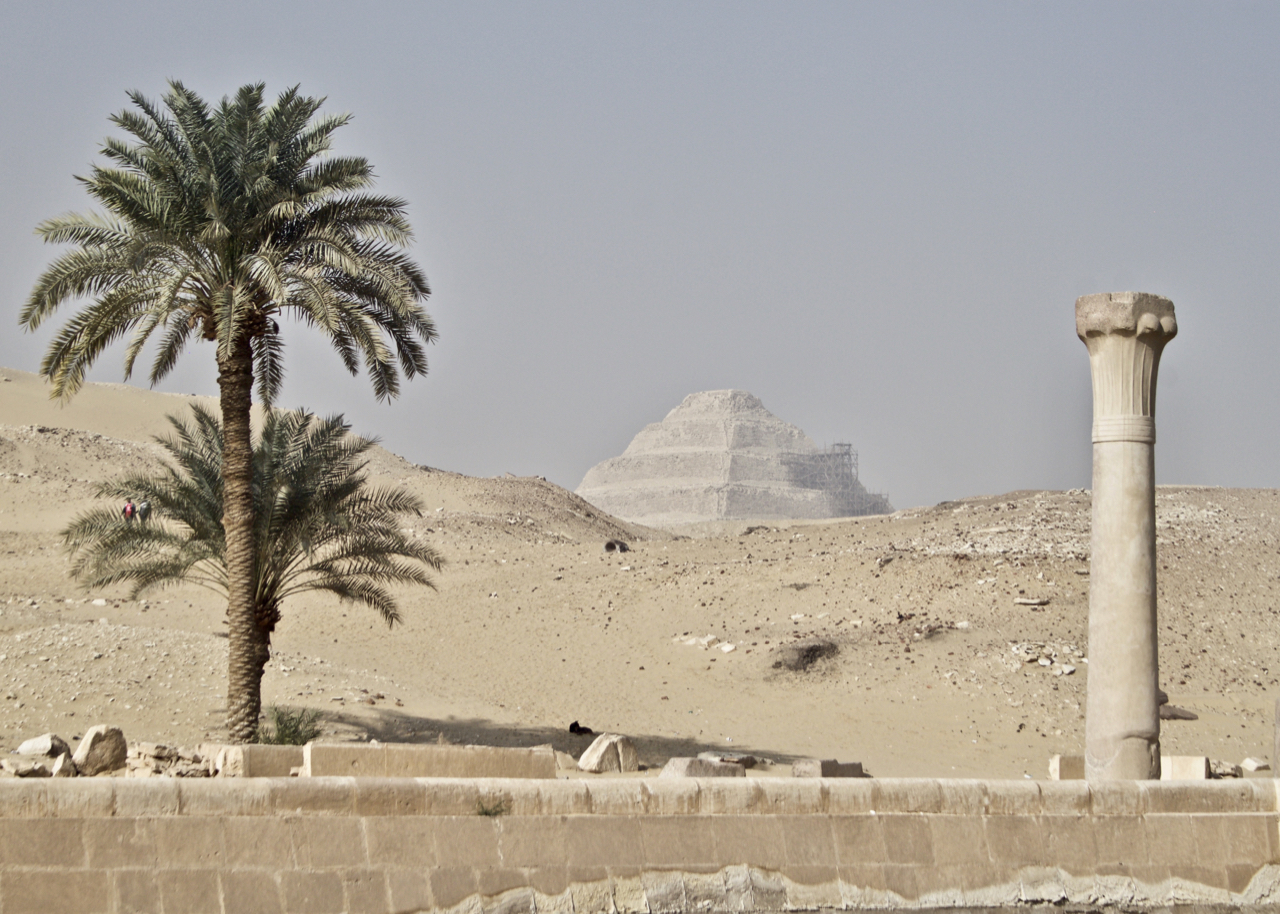
Step Pyramid & Museum
The Saqqara necropolis presents visitors with the opportunity to explore a vast and ancient burial ground for the ancient city of Memphis, featuring numerous pyramids in various states of preservation, most importantly the world-famous Step pyramid of Djoser. This structure is one of the oldest stone buildings known in history, featuring a number of ‘mastabas’ (benches) rather than a triangular shape, and is known as the training wheels which led to the construction of the Giza Pyramids and more modern pyramid structures.
The necropolis is also home to The Imhotep Museum, an archaeological museum opened in 2006. This museum contains masterpieces from the excavation of the Saqqara site, such as a Ptolemaic mummy, archaeological finds from various excavations on the plateau, such as vessels, statues, and the ancient tools used to build the monuments.
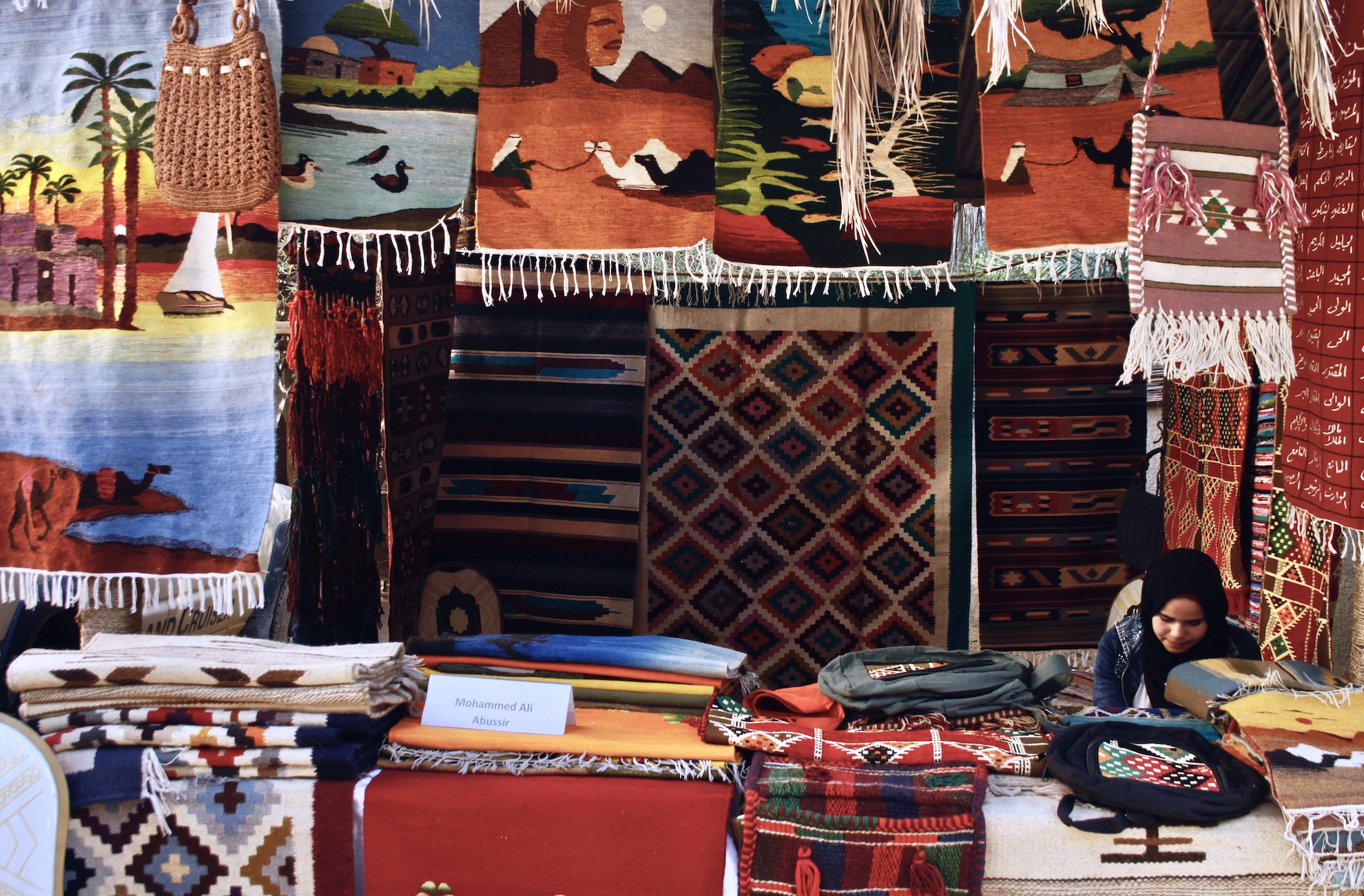 Artisanal Crafts
Saqqara is known as one of the bedrocks of carpet weaving and kilim artistry, with many schools operating in the vicinity of the Saqqara necropolis. Step into one of Saqqara’s weaving schools to see local artisans at work creating heritage craft, and making one of a kind pieces. You may even be able to try your hand at weaving yourself with some help with the experts.
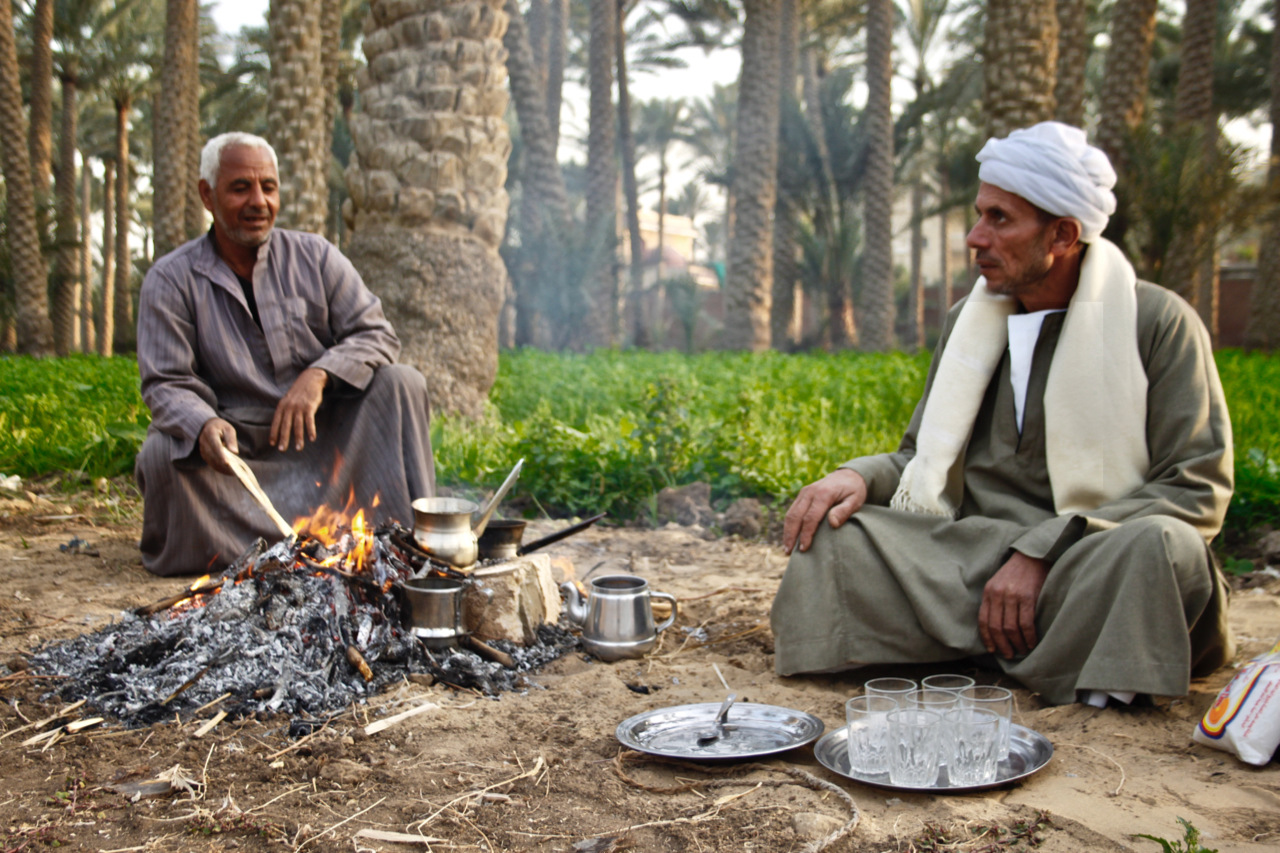 Agricultural Tourism
Saqqara village is a hub of agricultural activity in Badrashin and the population relies heavily on agricultural production. The most common crops in the area are alfafa, wheat, corn, and over 30 thousand palm trees producing dates for harvest, which extends from the second half of August until the end of October. At this time, the fields turn into busy workshops with family members coming together to harvest, dry and pack dates.
Pruning the palm trees takes place between November and January , offering a rare look at the ancient practice of palm climbing. Badrashin is the main provider area for palm climber laborers in Egypt, the practice involves a laborer walking up the palm with a rope harness around the trunk for support then shimmying up the tree by leaning back on the rope and stepping up frond stumps.
Saqqara’s farmers work the fields by hand mostly, with little machinery, giving visitors an insight to centuries-old planting, irrigation and harvesting techniques. The wheat harvest occurs in May, which would offer an opportunity to see farmers collecting and sorting in the fields. Maize harvest takes place in August and September.
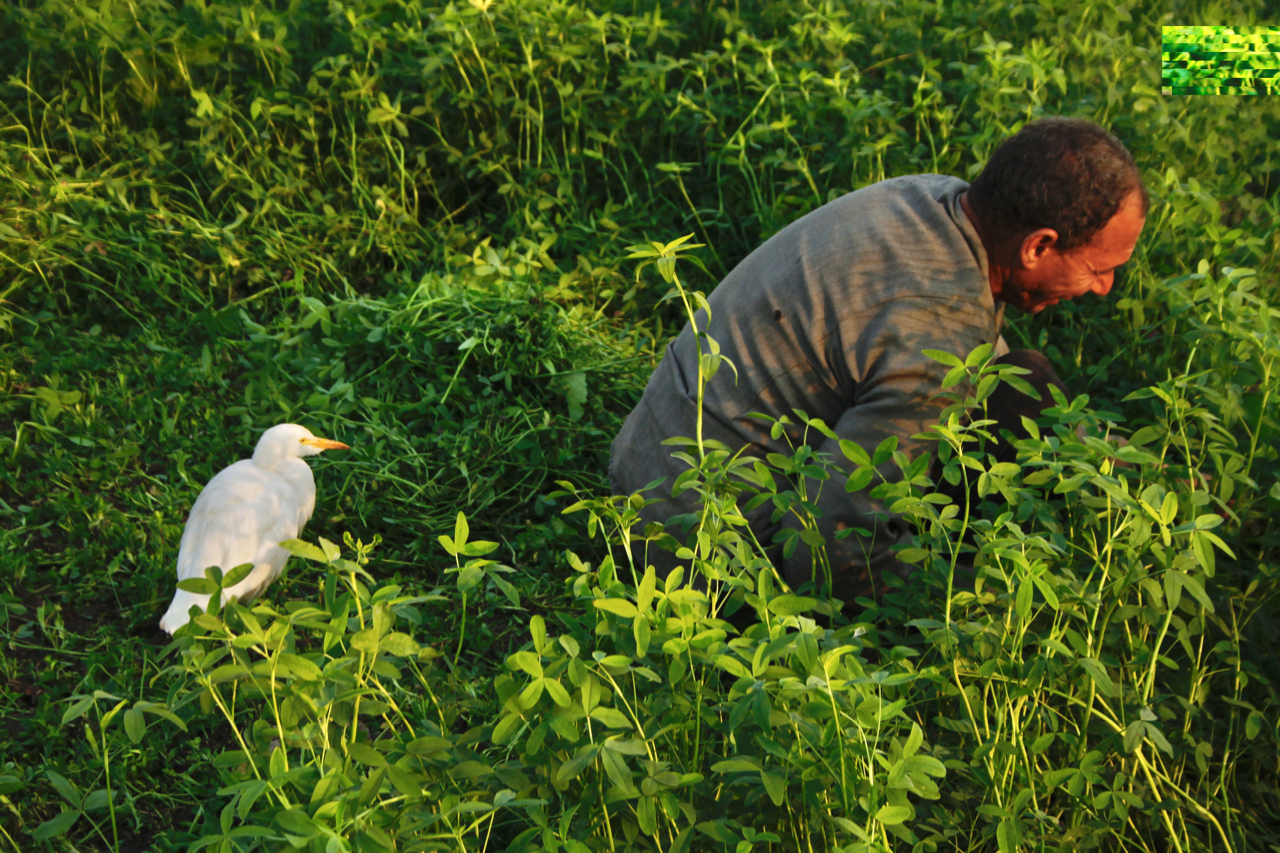 Seasonal Highlights
Saqqara’s landmarks and village life can be observed throughout the year, but some seasons offer a unique vantage point to visitors. The beauty of the countryside lies in its changing colors from season to season depending on the overturn of crops from growth to harvest. For example, palm trees do not come in a single shape or size, there are several varieties and the dates shift in color according to the time of year, displaying the richest of colors right before harvest.
Saqqara’s landscapes are home to numerous wild plants and trees which grow around fields and irrigation/drainage canals. Willow, sycamore and mulberry trees line the canals, offering shade and respite during leisurely field walks.
How to Get There
Saqqara can be reached easier by car/taxi, it takes approximately less than 1 hour from Central Cairo.
Distances:
It is a 35 km distance from Central Cairo to Saqqara
It is a 25 km distance from Giza Pyramids to Saqqara
Suggested Tours in Saqqara